In healthcare settings, patient safety is a top priority. Clinics, hospitals, and other healthcare facilities are environments where hygiene and cleanliness directly affect the well-being of patients, staff, and visitors. A clinic’s environment is often exposed to infectious agents, bacteria, and viruses that can pose significant risks if not managed correctly. This is where professional cleaning comes into play. By leveraging commercial cleaning services for clinics, healthcare facilities can ensure a safe and hygienic environment that promotes patient safety and improves overall care quality.
Table of Contents
ToggleThe Importance of Cleanliness in Clinics
Maintaining a clean clinic is more than just aesthetic—it’s a critical component of infection control. Clinics see high foot traffic every day, including patients with varying medical conditions. Contaminated surfaces, improper waste management, or unclean equipment can contribute to the spread of infections such as MRSA, influenza, and even COVID-19. A professional cleaning strategy ensures that surfaces, equipment, and patient areas are disinfected regularly, reducing the risk of cross-contamination.
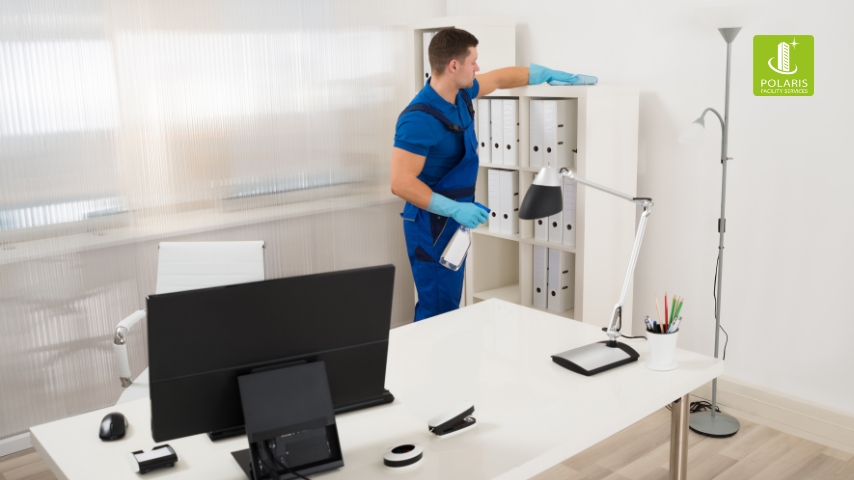
Professional cleaners are trained to identify high-risk areas such as waiting rooms, reception desks, and examination rooms. They use hospital-grade disinfectants and follow stringent cleaning protocols to mitigate the risk of healthcare-associated infections (HAIs). Clinics that employ janitorial services for clinics benefit from systematic cleaning schedules, consistent sanitation practices, and the expertise of trained personnel who understand the nuances of healthcare hygiene.
How Professional Cleaning Reduces Infection Risk
One of the key ways professional cleaning supports patient safety is by reducing the risk of infections. Bacteria and viruses can survive on surfaces for hours, sometimes days, making regular disinfection essential. High-touch surfaces, including door handles, light switches, medical equipment, and waiting room furniture, are common hotspots for germs.
By using specialized cleaning solutions and techniques, professional cleaners effectively eliminate pathogens that could compromise patient safety. This proactive approach prevents outbreaks and ensures that patients receive care in a clean, safe environment. Moreover, professional cleaning staff are trained to follow strict protocols, including proper hand hygiene, the use of personal protective equipment (PPE), and safe handling of potentially contaminated materials.
Specialized Cleaning and Types of Cleaning for Patient Safety
Clinics have unique cleaning requirements that go far beyond routine janitorial tasks. Unlike general office spaces, healthcare facilities must follow strict infection control standards and regulatory guidelines to ensure patient and staff safety. Commercial cleaning services for clinics provide customized cleaning solutions designed specifically for healthcare environments, combining various types of cleaning to maintain the highest hygiene standards.
Types of cleaning included in professional clinic services:
- Routine Cleaning: Daily cleaning of floors, restrooms, waiting areas, and disposal of general waste to maintain a hygienic environment.
- Disinfection Cleaning: Regular sanitization of high-touch surfaces such as door handles, reception desks, chairs, and medical equipment to prevent the spread of germs and viruses.
- Deep Cleaning: Intensive cleaning of floors, carpets, walls, and hidden areas on a weekly or monthly schedule to remove accumulated dirt and pathogens.
- Sterilization Cleaning: Thorough cleaning and sterilization of medical tools, instruments, and devices to ensure they are free from harmful bacteria and viruses.
- Waste Management: Safe handling and disposal of medical and biohazardous waste according to regulatory guidelines, reducing the risk of contamination.
- Emergency Cleaning: Immediate cleaning and sanitization following spills, contamination, or exposure to infectious agents.
By combining these cleaning types, clinics not only maintain a hygienic environment but also significantly reduce the risk of healthcare-associated infections (HAIs). These measures enhance patient safety, protect staff, and reassure visitors that the clinic adheres to the highest standards of care. Clinics that invest in professional cleaning create a safer, more trustworthy environment that fosters confidence in the quality of healthcare services provided.
Role of Janitorial Services in Enhancing Hygiene
While professional cleaning focuses on disinfection and infection prevention, janitorial services for clinics play an equally important role in maintaining ongoing cleanliness and order. Janitorial staff handle daily cleaning routines, including trash removal, restroom sanitation, and floor maintenance. Their consistent work helps maintain a clean environment, preventing the buildup of dirt and germs.
Janitorial teams are trained to identify areas that require special attention and use techniques that minimize contamination. This combination of daily cleaning with professional disinfecting strategies ensures that clinics meet hygiene standards and comply with health regulations. When patients visit a clinic, the visible cleanliness of the space positively impacts their perception of care quality, further emphasizing the value of janitorial services.
Supporting Staff and Patients
A clean clinic does not only protect patients; it also safeguards healthcare workers. Doctors, nurses, and support staff face exposure to infectious agents every day. A well-maintained clinic reduces the likelihood of staff contracting illnesses, ensuring they can provide uninterrupted care.
Professional cleaning services create a safer working environment by:
- Reducing exposure to pathogens.
- Minimizing the risk of sick days.
- Enhancing overall workplace hygiene.
For patients, cleanliness translates to safety and comfort. A sanitized environment reduces anxiety, particularly for individuals with compromised immune systems. By maintaining high hygiene standards, clinics can prevent infections, reduce recovery times, and improve patient outcomes.
Cost-Effectiveness of Professional Cleaning
While some clinics may consider cleaning services an added expense, investing in professional cleaning is cost-effective in the long run. Healthcare-associated infections can lead to longer patient stays, additional treatments, and potential legal implications. Maintaining a clean environment through commercial cleaning services for clinics mitigates these risks, saving both time and money.
Moreover, outsourcing cleaning to trained professionals ensures that clinics use the most effective cleaning products and techniques without investing heavily in staff training and equipment. This allows clinic administrators to focus on patient care while ensuring a hygienic environment.
Compliance with Healthcare Standards
Clinics must comply with strict hygiene and sanitation standards set by regulatory authorities. Professional cleaning services help healthcare facilities meet these standards, including guidelines from organizations such as the CDC and WHO. Routine cleaning, proper waste disposal, and disinfection protocols are critical for regulatory compliance. Clinics that partner with janitorial services for clinics ensure that their cleaning practices align with these requirements, minimizing the risk of penalties and safeguarding patient safety.
Enhancing Patient Experience
Cleanliness directly impacts patient experience and satisfaction. Patients are more likely to trust a clinic that maintains a clean and organized environment. From waiting rooms to treatment areas, every touchpoint matters. Professional cleaning services ensure that clinics are not only safe but also welcoming and comfortable for patients.
A clean environment also reduces stress and promotes faster recovery. Studies have shown that patients in clean and well-maintained healthcare settings report higher levels of satisfaction and perceive better overall care quality. By prioritizing hygiene, clinics reinforce their commitment to patient safety and well-being.
Sustainability in Cleaning Practices
Modern professional cleaning services also incorporate sustainable practices. Eco-friendly cleaning products and energy-efficient equipment minimize the environmental impact while maintaining high hygiene standards. Clinics can benefit from these sustainable practices, aligning their operations with environmental responsibility while ensuring patient safety.
Sustainable cleaning also reduces exposure to harsh chemicals, protecting both patients and staff from potential irritants. Clinics that implement eco-conscious cleaning practices demonstrate a holistic approach to care that extends beyond medical treatment.
Conclusion
Professional cleaning is not merely a routine task in clinics—it is a critical component of patient safety. By investing in commercial cleaning services for clinics and janitorial services for clinics, healthcare facilities can reduce the risk of infections, protect staff, comply with regulations, and enhance patient satisfaction. Cleanliness is directly linked to better health outcomes, trust, and confidence in healthcare services. Clinics that prioritize professional cleaning set the standard for safety, quality, and excellence in patient care.
FAQs
Q1. Why is professional cleaning important in clinics?
Ans: Professional cleaning reduces the spread of infections, ensures hygienic conditions, and supports patient safety. It goes beyond aesthetics by disinfecting high-touch surfaces and maintaining a clean environment.
Q2. What is the difference between commercial cleaning and janitorial services in clinics?
Ans: Commercial cleaning focuses on deep cleaning and disinfection of medical areas, while janitorial services handle daily cleaning tasks like trash disposal, restroom sanitation, and floor maintenance.
Q3. How often should clinics be professionally cleaned?
Ans: High-risk areas such as treatment rooms and waiting areas should be disinfected daily, while thorough deep cleaning may be scheduled weekly or monthly depending on clinic size and patient traffic.
Q4. Are eco-friendly cleaning products safe for clinics?
Ans: Yes, modern professional cleaning services use eco-friendly, hospital-grade products that are safe for patients and staff, while effectively eliminating germs and bacteria.
Q5. Can professional cleaning help clinics comply with health regulations?
Ans: Absolutely. Cleaning services ensure proper disinfection, waste disposal, and hygiene practices that align with CDC, WHO, and local health guidelines, minimizing regulatory risks.